START WELL® Podcast
Welcome to the START WELL® podcast – I’m Dawn Thomas, your host. As a mother, financial adviser, and researcher, I’m here to guide you on empowering the next generation’s financial journey. Whether you’re a parent, grandparent, or the coolest aunt or uncle, join me in exploring how impactful conversations about money can shape a young person’s future. During each episode, we will be unpacking a resource or money concept, so you can take the conversation home with you. Let’s harness their superpower of time and your superpower of influence to ensure they START WELL® and thrive for a lifetime.
Welcome to the START WELL® podcast – I’m Dawn Thomas, your host. As a mother, financial adviser, and researcher, I’m here to guide you on empowering the next generation’s financial journey. Whether you’re a parent, grandparent, or the coolest aunt or uncle, join me in exploring how impactful conversations about money can shape a young person’s future. During each episode, we will be unpacking a resource or money concept, so you can take the conversation home with you. Let’s harness their superpower of time and your superpower of influence to ensure they Start Well and thrive for a lifetime.
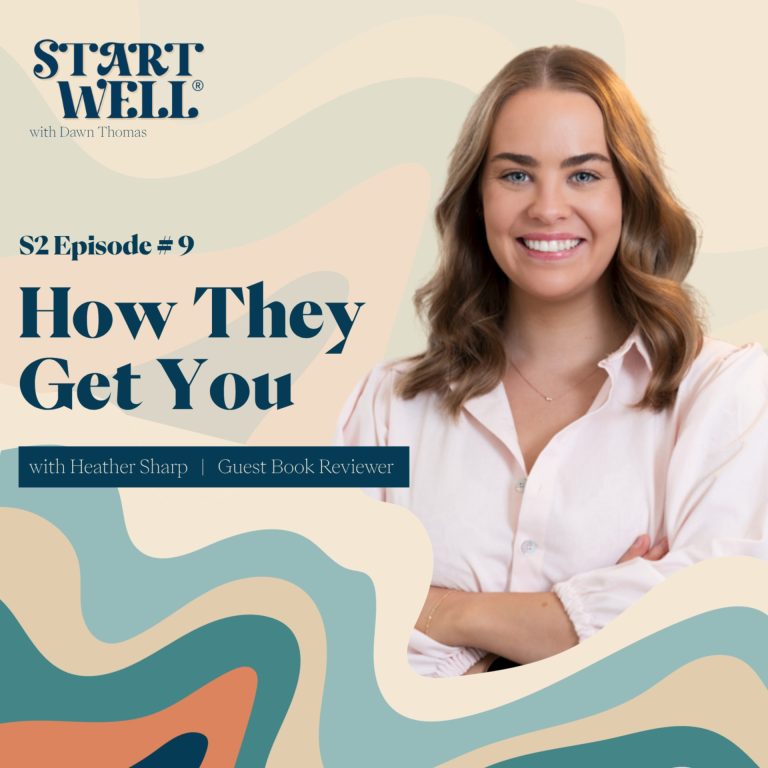
START WELL® Podcast Episode 9: How They Get You with Heather Sharp
What if many of the everyday spending decisions we make aren’t really as “random” as we think?
In this episode of START WELL®, Dawn Thomas is joined by Heather Sharp, Associate Adviser at The Wealth Designers, to review the book How They Get You by Chris Kohler.
Together, Dawn and Heather unpack the hidden psychology behind modern spending habits and the ways businesses, marketers, pricing systems and loyalty programs subtly influence consumer behaviour.
One of the things Dawn particularly enjoyed about this book was that it was written from an Australian perspective, making the examples feel highly relevant and current, especially in today’s environment of rising living costs, inflation pressures and conversations around tariffs and global economics.
Dawn listened to the audiobook version, while Heather read the e-book & listened to the audio book, leading to a great discussion on how the content translated across formats.
Why How They Get You feels so timely for Australian households
Whether the book is useful for parents, young adults and first-time earners
The psychology behind everyday spending decisions
How businesses encourage us to spend more without us noticing
Whether loyalty schemes actually benefit consumers
Fuel pricing and supermarket pricing tricks
Why unit pricing matters more than flashy discounts
Shopping across multiple supermarkets: practical or exhausting?
Computer games, microtransactions and digital spending habits
Superannuation and how financial systems are explained to everyday readers
How tariffs and global economics impact household budgets
Gift cards, rewards programs and consumer behaviour
The importance of teaching young people to become more conscious consumers
This episode explores how awareness can become one of the most powerful financial literacy tools families can develop.
Rather than focusing only on budgeting or investing, this conversation looks at the behavioural side of money: the tiny nudges, habits and systems that quietly shape how we spend.
As always, START WELL® aims to help parents bring important money conversations back home to their kids in ways that feel practical, engaging and relatable.
Heather Sharp is an Associate Adviser at The Wealth Designers and works closely with clients to help them build confidence and clarity around their financial decisions.
If you enjoyed this episode, please subscribe, share it with a parent, educator or young person in your life, and help us continue building financially confident future generations.
General Advice
Warning – This Podcast contains general advice. The information, including tax information and any advice provided in this Podcast, does not take into account your objectives, financial situation or needs. Because of that, you should before acting on the advice, consider the appropriateness of the advice, having regard to those things. If the advice relates to a particular financial product, you should obtain the relevant Product DisclosureStatement for any product mentioned and consider its contents before making any decision. You should consider talking to a financial adviser before making a financial decision. Dawn Thomas is a Senior Financial Adviser and is anauthorised representative of TWD Licensee Services Pty Ltd ABN 88 605 064 480 Australian Financial Services Licence No.475964 (TWD Licensee Services).


START WELL® Resources
-
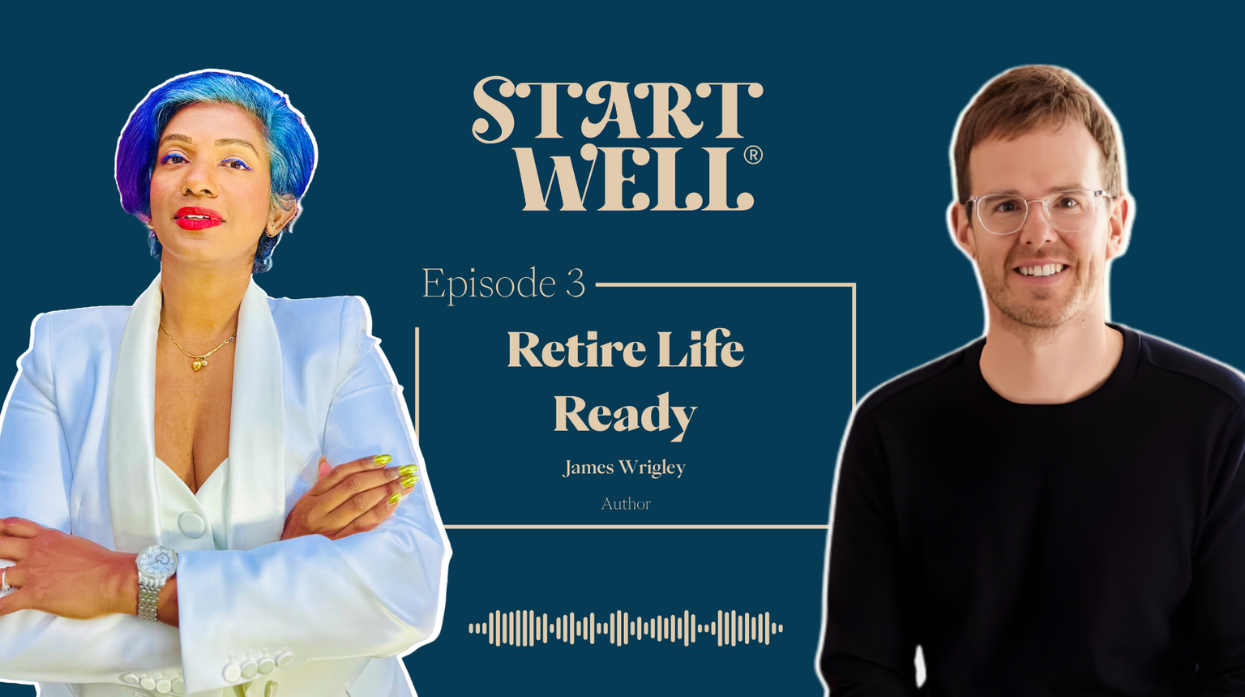
Retire Life Ready
We recently had the pleasure of hosting James Wrigley on the START WELL ® podcast, – a leading financial adviser, educator and author who’s incredibly down to earth and genuine, despite his status as one of Australia’s top finance content creators. We talked about his new Retire Life Ready book, and how, while it focuses…
-
The 100-Year Life
In our latest podcast, Dawn and Michelle review The 100-Year Life book and explore what living longer means for retirement, reinvention and future planning.
-

Can financial education reduce stress at work?
Financial wellness programs reduce stress and boost performance. Our START WELL® equips the next generation with lifelong money skills and confidence.